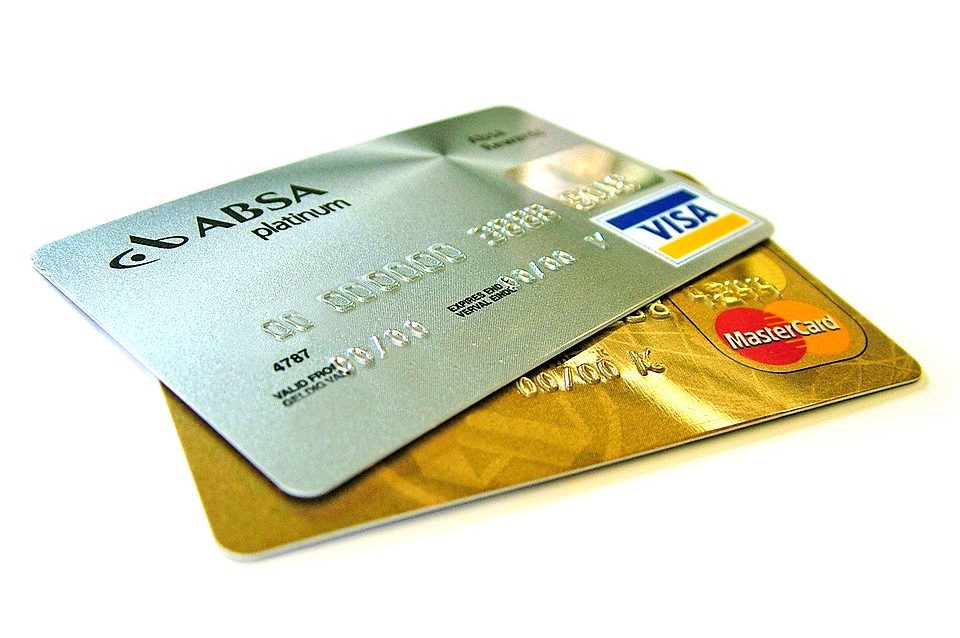
This technique is a skilled art or method of getting thing online for free or at a lower amount. How much does the delivery fee cost in your region when you try to withdraw cash from an ATM machine? Pay for item using your credit/debit card on a POS machine or shop for things online.
You can write on the comment section below this post so we know about it.
If it is too high and you find it necessary, why not let us show you a system in which you can easily shop online and clear carts for free with zero fees or extra charges?
Because with only credit or debit card details, you can easily make online purchases, pay for items and shipment with a method known as carding or DUMPS WITH PIN.
What is carding?
If you are new to the space, you may find this awful, but carding is a method by which cybercriminals use highly advanced software and tools to perform credit/debit card fraud; they perform these attacks by getting access to cardholder data, which also includes personal information.
They usually succeed in this after gathering their information through unauthorized means like data breaches, phishing, malware attacks, and data skimming.
This information is mostly trafficked (in most cases as DUMPS WITH PINS) and sold for gains in the black market auction, which is then used for payment fraud, identity theft, and cyber-organized crimes.
Types of carding practiced activity:
As a professional expert, here are some of the most practiced carding activities:
-
Card-Not-Present (CNP) Fraud
Unauthorized use of card details for online, phone, or mail transactions where the physical card is not required. -
Account Takeover (ATO)
Gaining control of a legitimate customer account to make fraudulent purchases, change credentials, or redirect deliveries. -
Counterfeit Card Fraud
Use of fabricated cards created from compromised card data, typically in environments with weaker card authentication controls. -
Card Cloning
Duplication of card data onto another physical medium to replicate the original card’s functionality. -
Identity-Assisted Card Fraud
Combining stolen card data with personal identity information to bypass verification and enhance transaction success.
How does carding work?
Carding is a well-organized financial criminal ecosystem in which stolen payment credentials move through specialized roles. Data is compromised, gathered, authenticated, and sold before being monetized by operators who turn fraudulent transactions into recoverable revenue.
Stolen data is used in several common ways: card-not-present fraud for online purchases, account takeover to exploit trusted user accounts, and counterfeit or cloned cards for in-person transactions where controls are weaker.
Identity theft is often combined with card data to increase success and avoid detection.
YOU MIGHT ALSO LIKE TO CHECKOUT THIS POST READ HERE
Why protect your debit/credit card details
Being a form of fraud that leads to significantly huge amounts of financial losses, carding is considered one of the world’s most sophisticated hacking techniques.
Credit and debit card thieves who are involved in this type of fraud are called carders. Carding relies on stolen payment card information obtained illegally or on personal information from bank accounts to make unauthorized purchases, often before the theft is detected.
To protect yourself from carding, it is essential to be vigilant and aware of the signs of fraud. Regularly check your bank account balances and report any unauthorized purchases promptly. Use strong passwords and enable two-factor authentication.
How to perform carding:
Remember, carding is not a legalized activity, it requires breaking some laws and rules, but if you like to go ahead with it here is where you can start. CLICK THE LINK TO LEARN MORE